
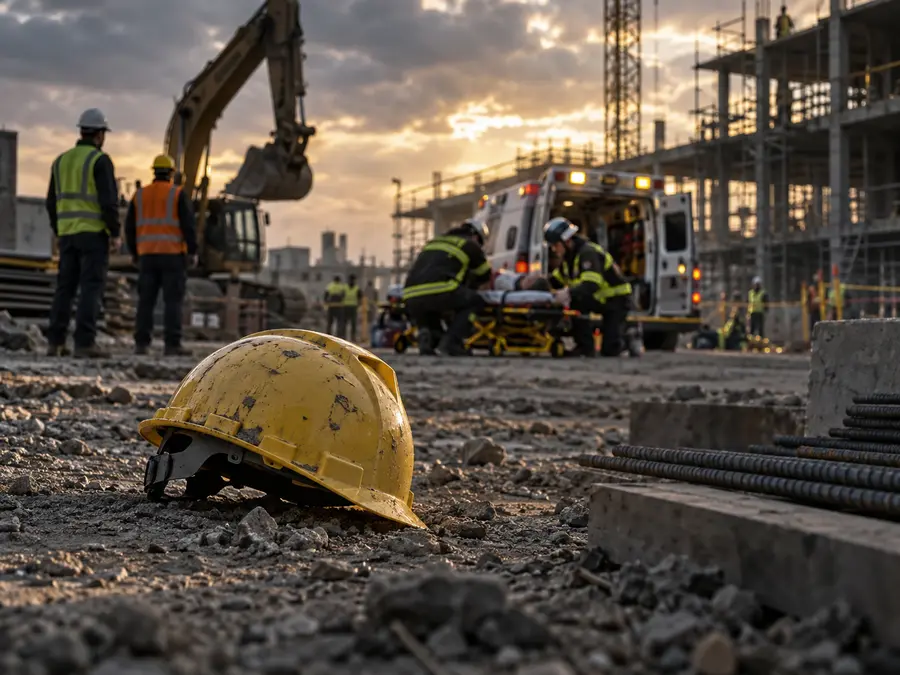
What Counts as a Specific Work Injury in California?
California Labor Code section 3208.1 separates work injuries into two broad categories. A specific injury results from one incident or exposure that causes disability or a need for medical treatment. A cumulative injury develops from repeated mentally or physically traumatic activities over time.
The evidence and timing questions change depending on whether the condition came from one event or developed through repeated work. One identifiable incident or exposure that causes disability or a need for medical treatment. Repeated mentally or physically traumatic work activity over time.Specific injury vs. cumulative trauma
Specific injury
Cumulative trauma
That distinction is more than vocabulary. It affects how the injury date, reporting history, medical evidence and insurance responsibility are analyzed.
Examples of specific work injuries can include:
- a fall from a ladder or loading dock
- a sudden lifting injury
- being struck by falling material
- a hand caught in machinery
- a workplace vehicle collision
- an electrical or chemical burn
- a head injury from one impact
- an amputation or crush injury; and
- a one-time harmful exposure that produces disability or a need for medical treatment.
Not every specific injury is catastrophic. A shoulder tear, back strain, fracture, cut or concussion may also be a specific injury when it results from one identifiable event.
If your condition developed gradually from repeated work instead, review our Cumulative Trauma Injury Lawyer page.
The first hours and days often produce the clearest evidence of what happened.Preserve the incident record
What Should I Do After a One-Time Work Accident?
The first hours and days after an accident often produce the clearest record of what happened. When it is safe to do so, preserve:
- the date, time and exact location of the incident
- the task you were performing
- names and contact information for witnesses
- photographs of the scene, equipment or visible injury, if appropriate
- incident, safety or supervisor reports
- text messages or emails reporting the accident
- the DWC-1 claim form and proof of when it was delivered
- emergency-room, urgent-care and treating-physician records
- work-status notes and restrictions; and
- pay information if the injury causes wage loss.
Do not delay emergency medical care to collect evidence. If the injury is an emergency, California DWC instructs workers to call 911 or go to an emergency room and tell medical staff that the injury is job-related.
A Specific Injury Is Not Automatically an "Easy" Claim
A visible accident can still produce disputes. The insurer may accept that an incident occurred but contest whether every claimed body part was injured, whether later symptoms are related, whether the worker was acting within the course of employment, or whether a prior condition contributed to permanent disability.
Other disputes can involve temporary disability, work restrictions, treatment authorization, permanent impairment or whether a QME is needed.
That is why the incident report is only the beginning. The medical record should consistently explain the mechanism of injury, the body parts affected, how symptoms changed, and what work the employee can or cannot safely perform.
What Benefits May Be Available After a Specific Injury?
If the injury is accepted or established, California workers' compensation can provide the same five basic categories of benefits available in other covered work injuries, depending on the facts:
- medical care reasonably required to cure or relieve the effects of the injury
- temporary disability benefits when qualifying wage loss occurs during recovery
- permanent disability benefits when lasting impairment remains
- supplemental job displacement benefits when statutory requirements are met; and
- death benefits for qualifying dependents if a work injury results in death.
Workers' compensation does not generally pay pain-and-suffering or punitive damages. It is a statutory benefit system, not the same as a personal-injury lawsuit.
For wage-loss issues, see our Temporary Disability Benefits page. If the injury leaves lasting impairment, review our Permanent Disability page.
What If the Accident Was Partly My Fault?
This is an important correction to a common misunderstanding. A worker should not assume that tripping, misjudging a lift, making a routine mistake or contributing to the accident automatically eliminates workers' compensation eligibility.
At the same time, a no-fault system does not mean every event at work is automatically covered. The connection between the injury and employment still matters.
What If Someone Other Than My Employer Caused the Accident?
Workers' compensation and third-party liability are different legal systems.
California DWC explains that a separate claim or lawsuit may be possible if a job injury was caused by someone other than the employer. Examples can include a work-related vehicle collision caused by another driver, defective equipment, or negligence by another company working at the site.
A third-party claim may allow remedies that workers' compensation does not provide, but the two cases can affect one another through reimbursement and credit rules. Do not assume that accepting workers' compensation prevents every other potential claim, or that a third-party case replaces the need to file workers' compensation paperwork.
When a QME May Become Important
A QME may become relevant when there is a medical dispute about whether the injury is work-related, what body parts were injured, work restrictions, maximum medical improvement, impairment or other benefit questions.
DWC describes a QME as a state-certified physician who evaluates injured workers and prepares medical-legal reports. If the worker has an attorney, the parties may instead agree to use an AME.
If you received a QME panel or a medical-dispute notice, review our Qualified Medical Evaluations page before treating the examination like an ordinary treatment appointment.
Local Workers' Compensation Help in Van Nuys
The California Division of Workers' Compensation Van Nuys district office is located at 6150 Van Nuys Boulevard, Suite 105, Van Nuys, CA 91401. The office includes an Information & Assistance Unit and a Disability Evaluation Unit. DWC's Information Services Center is 1-800-736-7401.
Hussain & Gutierrez is located at 6316 Van Nuys Boulevard. The firm's current materials state that free initial consultations are available and walk-ins are welcome.
Frequently asked questions
Is a back injury from one lift a specific injury?
It can be. If one identifiable lifting event causes disability or a need for medical treatment, it may fit California's definition of a specific injury. A back condition that develops from repeated lifting over time may instead involve a cumulative claim.
Can I have both a specific injury and a cumulative trauma claim?
Potentially. California law requires specific and cumulative injuries to be analyzed separately. A worker may have one accident plus a separate condition that developed over repeated work activity.
Does my employer have one day to report my injury?
The one-working-day rule commonly discussed in California applies to the employer's obligation to provide or mail a DWC-1 claim form after learning of a work injury. DWC advises the worker to report the injury as soon as possible; waiting more than 30 days can put benefits at risk.
Should I give a recorded statement to the insurance company?
A recorded statement can become evidence in the claim. Before agreeing, understand who is requesting it, why, and whether legal advice is appropriate in your situation. Do not guess about facts or medical issues you do not know.
Is there an average settlement for a specific injury?
No meaningful universal average can determine the value of an individual claim. Medical treatment, temporary disability, permanent disability, future medical needs, wages, return-to-work status, disputed issues and settlement structure can all affect the outcome.