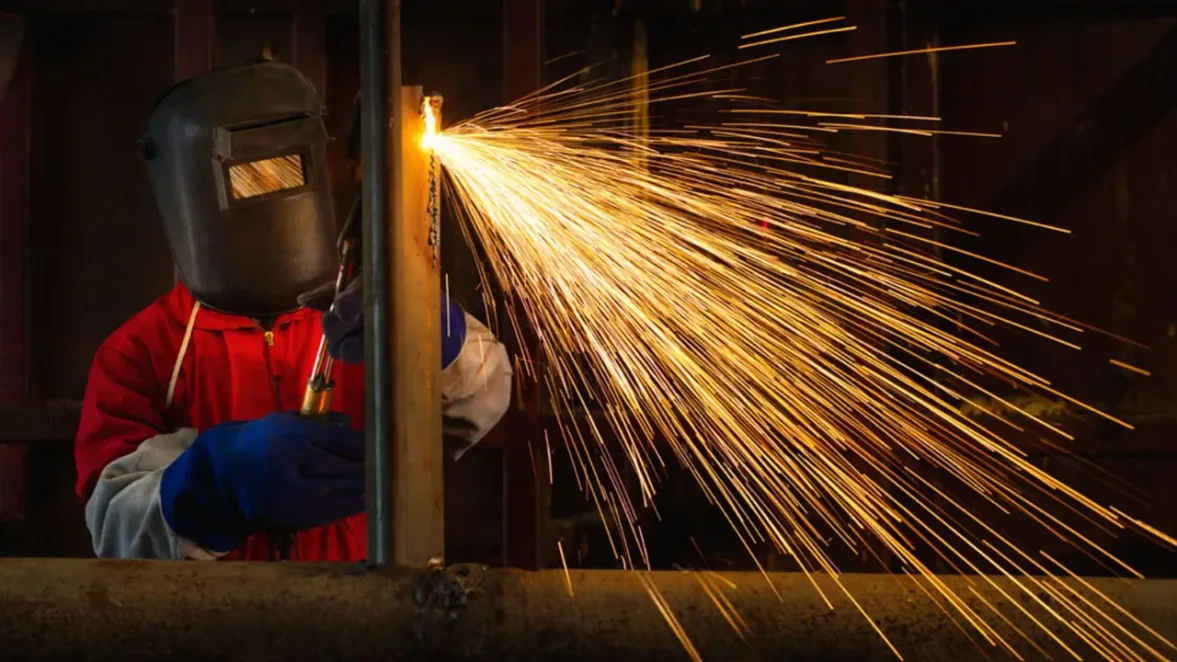
California law requires that employers take reasonable steps to protect their workers from workplace hazards. This means that your employer has an obligation to keep you safe during a welding project. Consider some of the hazards you may face and how to minimize your risk of injury.
Make Sure There Is Plenty of Ventilation
There is a significant risk that you may be exposed to toxic fumes while welding. However, the use of a ventilation system can ensure that you have plenty of clean air to breathe while working. In addition to exhaust fans, you may want to wear a personal respirator to make breathing easier in a closed environment.
Welding fume exposure is one of the most serious and underestimated risks on industrial job sites. Fumes generated from heated metals, especially zinc, aluminum, lead, and cadmium, can cause conditions such as metal fume fever, chronic bronchitis, and long-term occupational asthma. Extended exposure in poorly ventilated areas may also lead to permanent lung scarring or chemical pneumonitis.
In California, Cal/OSHA requires employers to adhere to Title 8, Section 5155, which establishes permissible exposure limits (PELs) for airborne contaminants. Employers must install local exhaust ventilation systems (LEV), provide NIOSH-approved respirators, and conduct regular air quality assessments when welding in confined or enclosed spaces.
Furthermore, welders working in areas where adequate natural airflow cannot be maintained should be issued positive-pressure air-purifying respirators (PAPRs). These not only filter particulates but also reduce thermal stress from heavy PPE in high-temperature environments.
Keep a Fire Extinguisher Nearby
If you work in proximity to potentially flammable materials, it is crucial to have access to a fire extinguisher. Alternatively, your employer may provide you with a water hose, sand, or other materials that might help to put out a fire. Furthermore, it is essential to know the location of your emergency exit in case of a fire or explosion. Ideally, you will remain on the job site for several minutes after completing your task to ensure that nothing is smoldering.
Fire risks in welding are often hidden in plain sight—especially in spaces where combustible dust, solvent containers, or exposed insulation are present. Sparks and slag from arc welding can travel up to 35 feet, and when those materials land on flammable substances, they can ignite fires that may smolder undetected for minutes or even hours.
Under California Code of Regulations §1536, employers are required to:
- Clear all combustible materials within a 35-foot radius of active welding
- Provide Class ABC fire extinguishers with immediate access
- Equip work zones with fire blankets, sand buckets, and charged hoses
- Ensure employees are trained in fire watch protocols and emergency response
Moreover, if hot work is conducted in a previously flammable area, such as a recently painted wall or degreased surface, Cal/OSHA requires a Hot Work Permit System, involving pre-task inspections and post-task monitoring for lingering ignition risks.
Remain Aware of Potential Physical Hazards
Light, noise, and falling objects can pose a danger to your health regardless of what you are doing on a job site. Therefore, it is advisable to wear goggles, earplugs, and sturdy footwear. Wear a mask, gloves, and anything else that might protect you from a cut, scrape, or burn injury.
Welders are subject to a wide array of non-thermal hazards that can be just as harmful as direct burns or fume exposure. These include:
- UV and infrared radiation, which can cause arc eye (photokeratitis)—a painful condition similar to a corneal sunburn
- Excessive decibel levels from welding machines and angle grinders contribute to noise-induced hearing loss (NIHL)
- High-speed projectiles, such as grinding debris or falling tools, can lead to eye trauma or foot injuries
To mitigate these risks, employers are required to provide task-specific Personal Protective Equipment (PPE) in accordance with Cal/OSHA and ANSI standards. This includes:
- Auto-darkening welding helmets that adjust to arc brightness
- Fire-resistant jackets, aprons, and pants (typically made from treated cotton or leather)
- Steel-toed, slip-resistant boots
- Chemical-resistant gloves for handling flux and filler rods
- Earplugs or earmuffs certified for industrial environments
Workers in California also have the right to refuse unsafe work under Labor Code §6311, especially if PPE is unavailable, expired, or insufficient for the task at hand.
Common Welding Injuries at California Job Sites
Although welding safety protocols are widely enforced, the job still presents a high risk of injury due to environmental factors, human error, and mechanical failure. Some of the most commonly reported welding injuries in California include:
- Arc Eye (Photokeratitis): Caused by direct UV radiation exposure to the eyes. Symptoms include blurred vision, eye pain, and excessive tearing.
- Burn Injuries: Often second or third-degree, these occur when clothing or exposed skin comes in contact with hot metal, sparks, or molten slag.
- Electric Shock: Improper grounding, damaged cables, or contact with live wires can result in minor jolts or even fatal electrocution.
- Metal Fume Fever: Characterized by flu-like symptoms, it results from inhaling metal oxide fumes and often goes misdiagnosed without proper work history documentation.
- Respiratory Disease: Long-term exposure to manganese, aluminum, or chromium fumes can result in chronic lung damage or even occupational cancer.
These injuries not only affect physical health but also reduce earning capacity, productivity, and long-term career viability, making proper legal and medical support critical.
What Are Your Legal Rights If You’re Injured While Welding?
If you are injured on the job, it may be possible to apply for workers’ compensation benefits. These benefits may help you pay bills or address other financial needs if you are unable to work. An attorney may help you file a claim or track the progress of a claim after it has been submitted.
Under California’s workers’ compensation system, welders who suffer work-related injuries are typically eligible for:
- Medical Treatment: Includes ER visits, surgeries, rehabilitation, and prescriptions
- Temporary Disability Benefits: Compensates for lost wages during recovery
- Permanent Disability Benefits: Offered when full recovery is not possible
- Supplemental Job Displacement Benefits: Vouchers for retraining if you’re unable to return to your prior job
- Death Benefits: For surviving family members in fatal welding incidents
Workers are encouraged to report the injury within 30 days and file a claim (DWC-1) promptly. Delays in documentation can result in claim denial or a reduction of benefits. You are also entitled to receive a copy of your medical evaluation, and you have the right to dispute your employer’s medical provider if you disagree with their findings.
Can You Sue for a Welding Injury in California?
Although workers’ compensation is the primary route for financial recovery, some cases may warrant civil lawsuits when third-party negligence or employer misconduct is involved.
You may have grounds for a personal injury claim if:
- Your injury was caused by a defective welding machine, torch, or PPE (product liability)
- The general contractor failed to provide a safe job site (premises liability)
- Your employer demonstrated gross negligence or willful safety violations
- You were not provided legally required training or safety equipment
A third-party personal injury lawsuit can offer compensation for:
- Pain and suffering
- Loss of future earning potential
- Emotional distress
- Punitive damages in extreme cases
A qualified workplace injury attorney can evaluate whether your situation meets the legal threshold for a civil suit outside of the workers’ comp system.
Step-by-Step: What to Do After a Welding Injury
Knowing what to do immediately after a welding injury can protect your health and your legal rights.
1. Seek Immediate Medical Attention
Visit a doctor or ER right away, even if your symptoms appear minor.
2. Report the Injury to Your Employer
Legally, you must report the injury within 30 days; however, reporting it sooner is preferable. Do it in writing and request a copy.
3. Complete the DWC-1 Claim Form
Your employer must provide this form. Once submitted, it starts your formal claim
4. Document Everything
Take photos, gather witness statements, save medical bills, and keep a record of missed workdays.
5. Consult an Experienced Workers’ Comp Attorney
A legal advocate can help you understand your rights, appeal denials, and pursue full compensation.
Frequently Asked Questions (FAQs)
What are the most common welding injuries in California?
Welders often suffer from arc eye, second-degree burns, electric shock, metal fume fever, and chronic respiratory conditions due to exposure to toxic fumes.
Is my employer required to provide PPE for welding?
Yes. Under Cal/OSHA regulations, your employer must provide task-specific personal protective equipment, including helmets, respirators, gloves, and safety boots.
Can I still get workers’ comp if I was partially at fault?
Yes. California’s workers’ comp system is no-fault, which means you can receive benefits even if the injury was partially due to your own actions.
What happens if I delay reporting a welding injury?
Delays may jeopardize your right to compensation. Always report the injury within 30 days and file a DWC-1 form as soon as possible.
Can I sue a manufacturer if a welding tool caused my injury?
Yes. If a defective product caused or contributed to your injury, you may have grounds for a third-party product liability lawsuit in addition to workers’ comp.
Legal Help for Welders Injured on the Job
Welding is one of the most dangerous jobs in the construction and manufacturing industries, and when injuries occur, the path to recovery can be physically, emotionally, and financially overwhelming.
At Hussain & Gutierrez, we understand the unique risks that welders face, and we are dedicated to helping injured workers navigate the complex web of workers’ compensation law, third-party claims, and employer accountability. Whether you’re dealing with denied benefits, delayed treatment, or long-term disability, our team will advocate for your rights every step of the way.
If you or a loved one has been injured while welding in California, contact Hussain & Gutierrez today for a consultation. We’ll review your case, explain your options, and help you pursue the compensation you deserve.